Home
Gymnasiums
-Planning
-Design
-Surfacing and Equipment
-Installation
-Ongoing Service
important considerations
Why build a home gymnasium?

When Kids stop playing, they stop growing
Childhood used to be built around movement, pickup games, backyard battles, streetball until dark.
Now it’s all group chats, video streams, and gaming streaks.And the problem isn’t just physical.
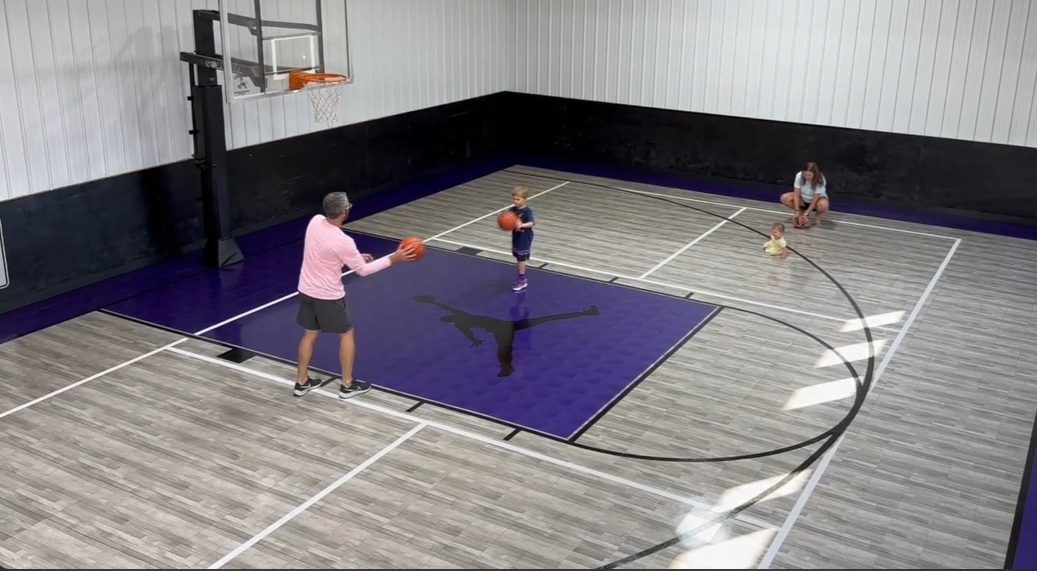
A healthy home starts with staying active
Northeast Ohio winters can be tough—that's why more families are bringing the fun indoors with a custom home gym. We offer a complete range of high-quality athletic flooring options and all the equipment needed to build your perfect space
From stress relief and better focus to extra energy throughout the day, we're strong believers in the benefits of an active lifestyle. That's why we're committed to helping our Northeast Ohio neighbors create convenient home recreation centers for year-round use.
Whether you're carving out time for your own workouts or enjoying family game nights with your favorite sports, our professional home gym installations help make your home a healthier, more enjoyable place to be.
Courts by Sport or Activity
Dedicate your space to your favorite sport or game, or combine several sports in to a multi-activity court. We will customize your court to your space, budget and level of play.
Basketball
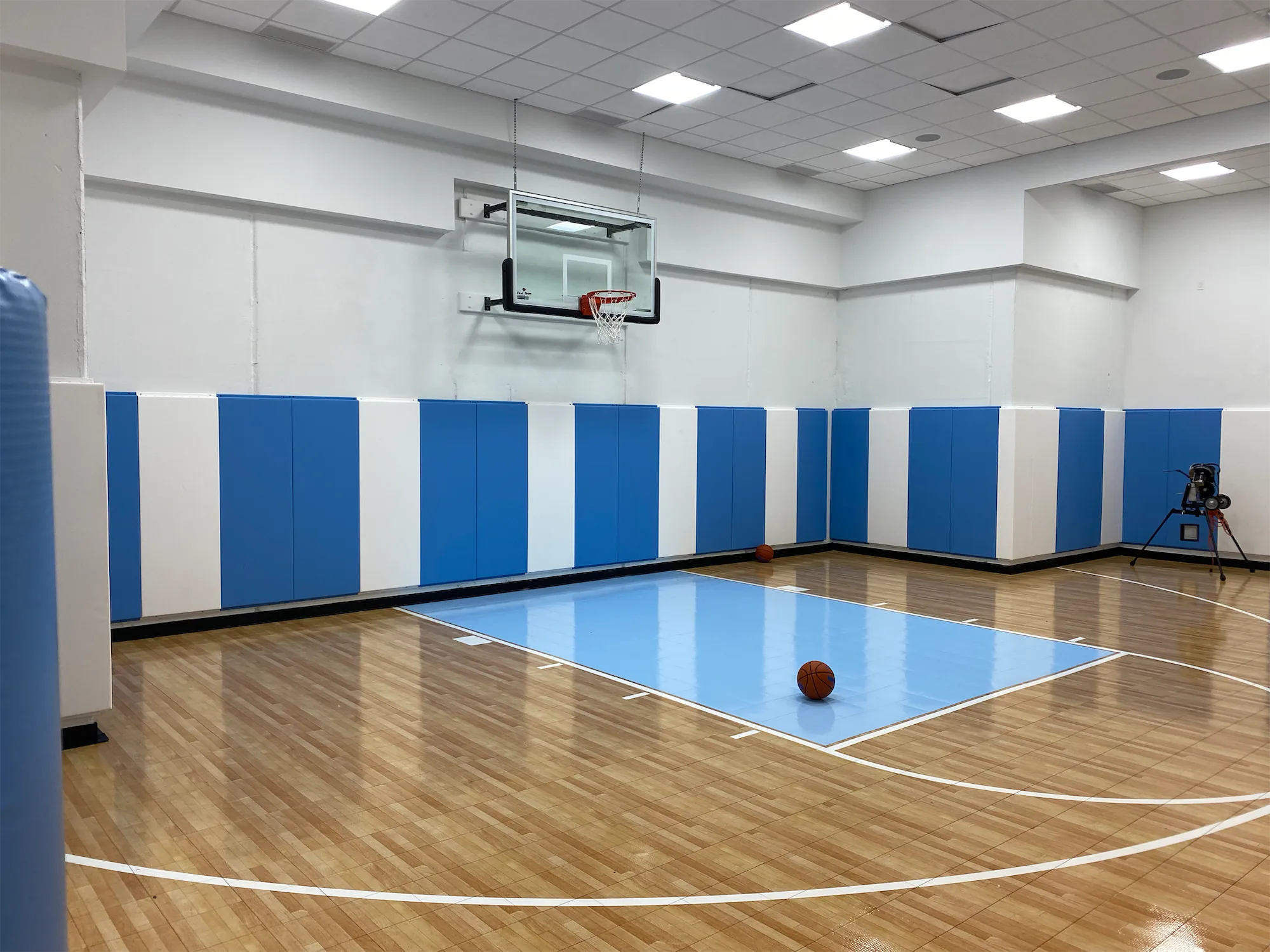
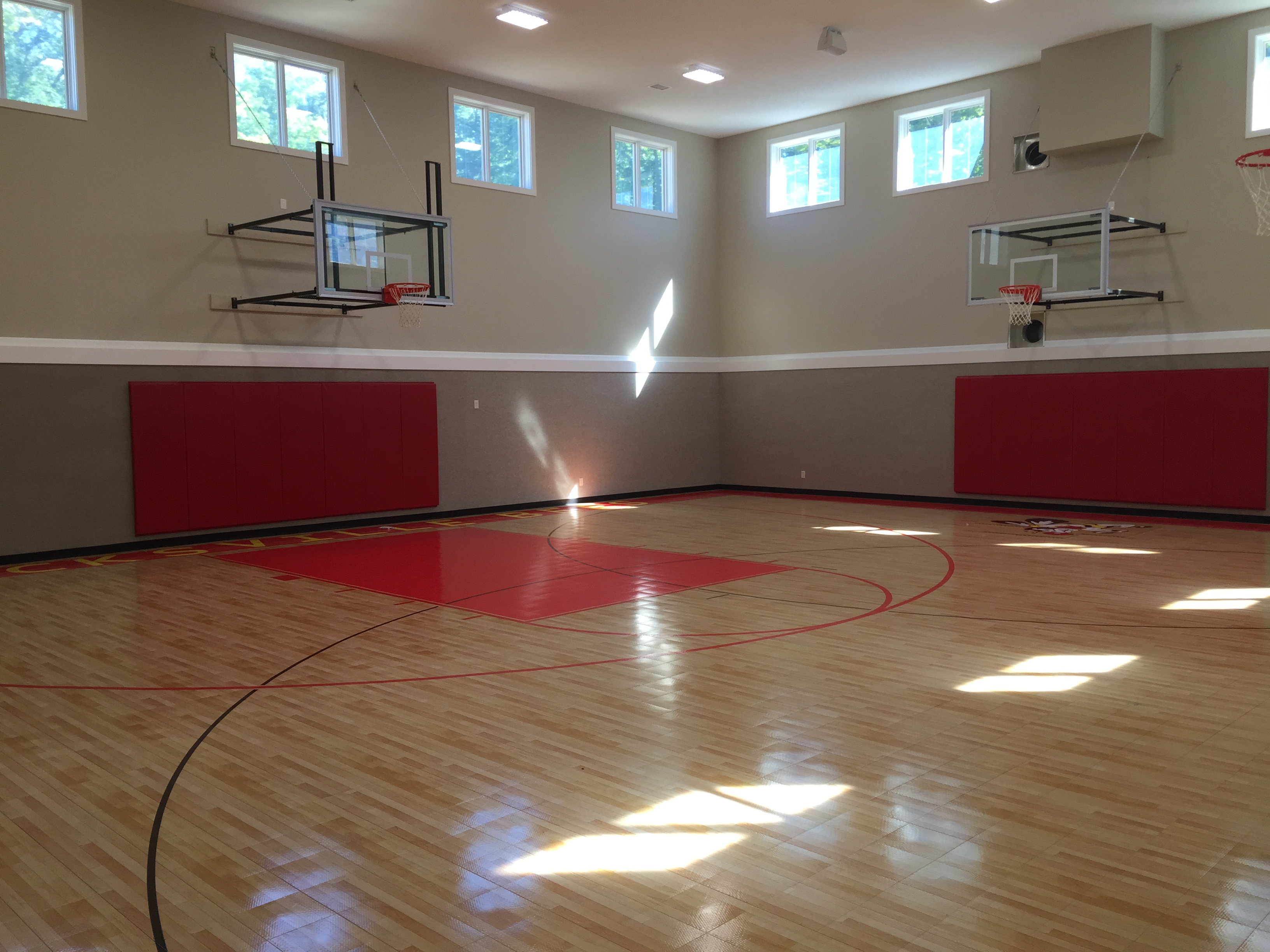
Let us package up your basketball temple. An NBA quality wood floor, (or not,) wall mounted hoops, ceiling mounted hoops, safety pads, shooting machines.
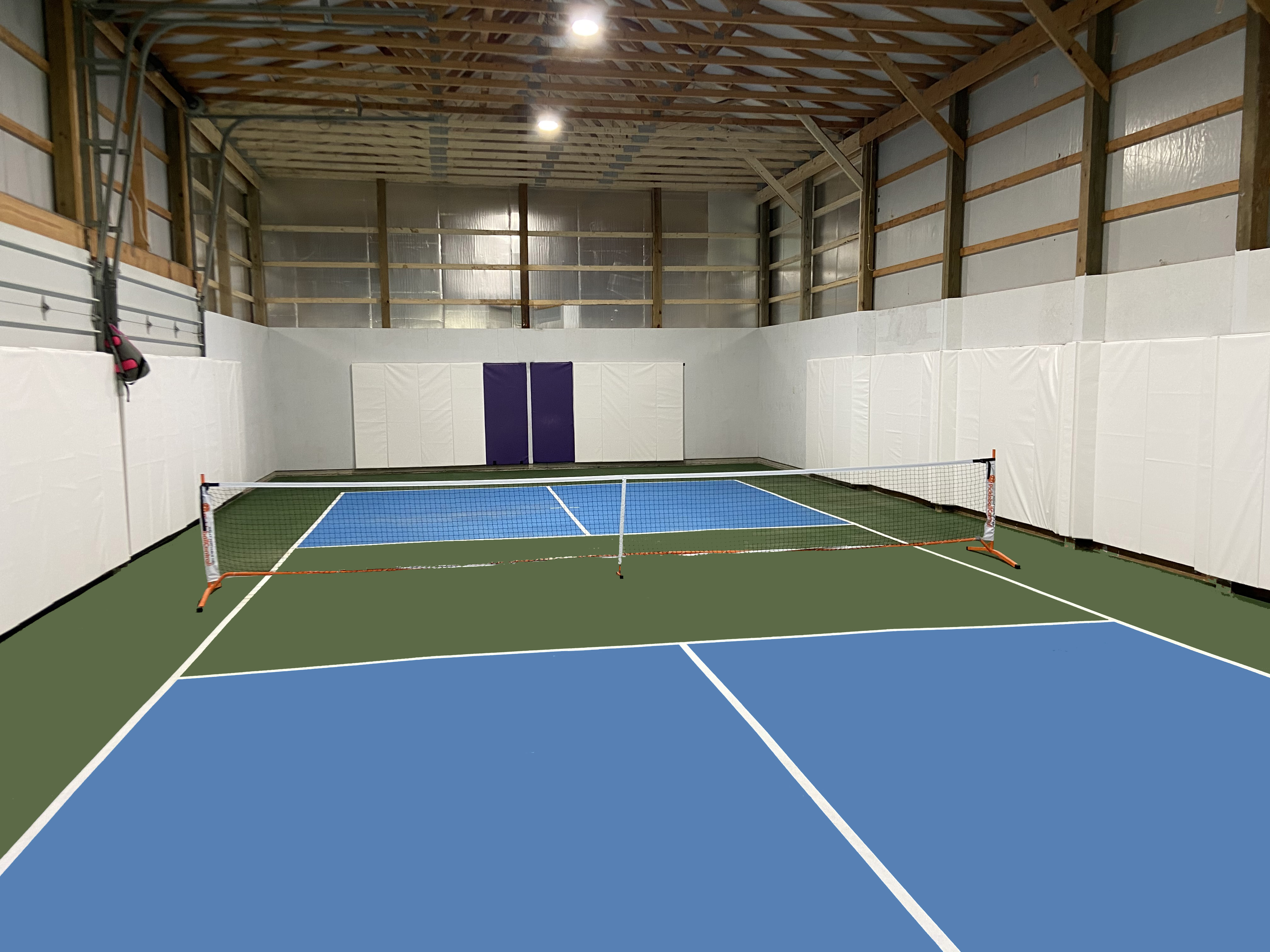
Pickleball
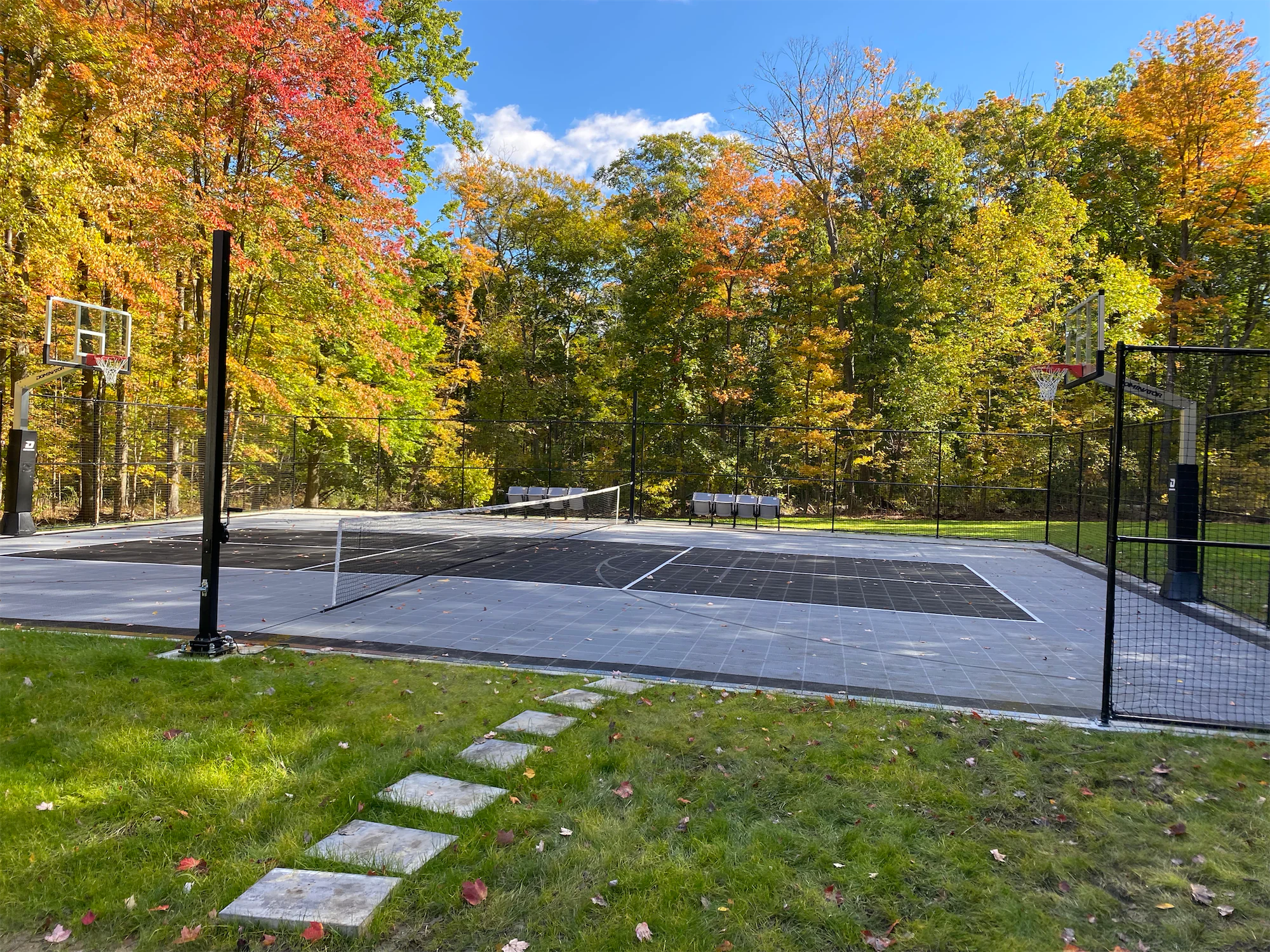
Play year round. Work on your game and start your own private league. No more waiting for court time...or cracked courts with bird baths. Let's do it right!
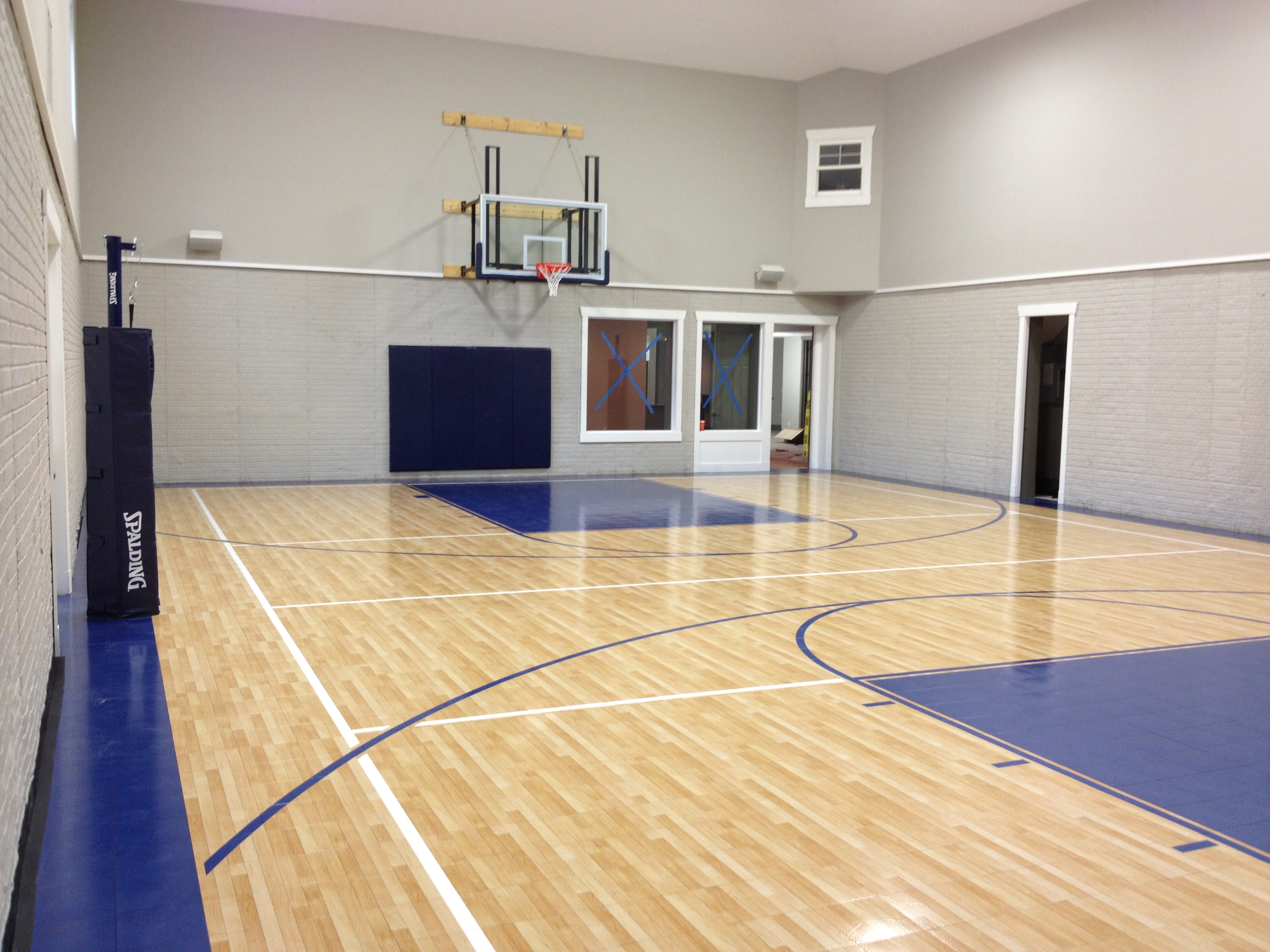
Multi-Activity
Make it fun for the whole family! Basketball, volleyball, baseball, golf, you name it. Become the hang out house!
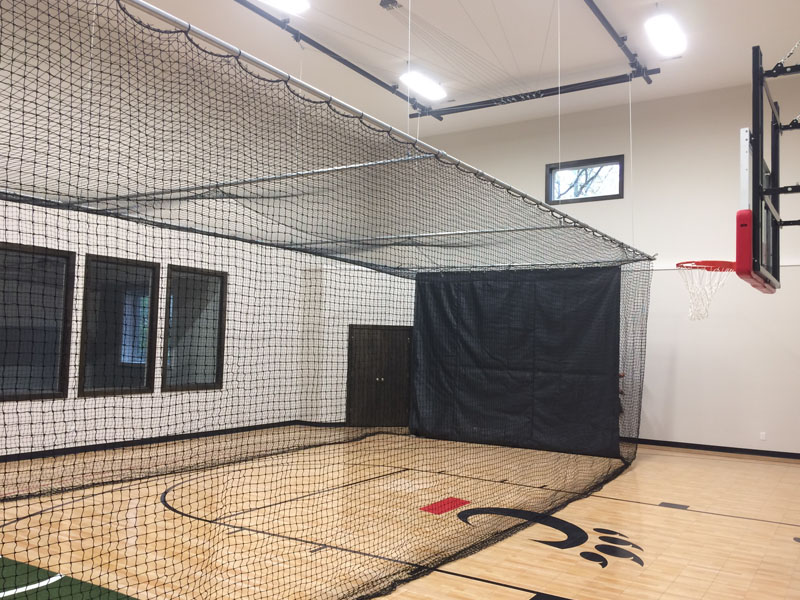
Baseball & Softball
Batting cages and pitching tunnels. Permanent, easy-up/easy-down, and retractable options available.
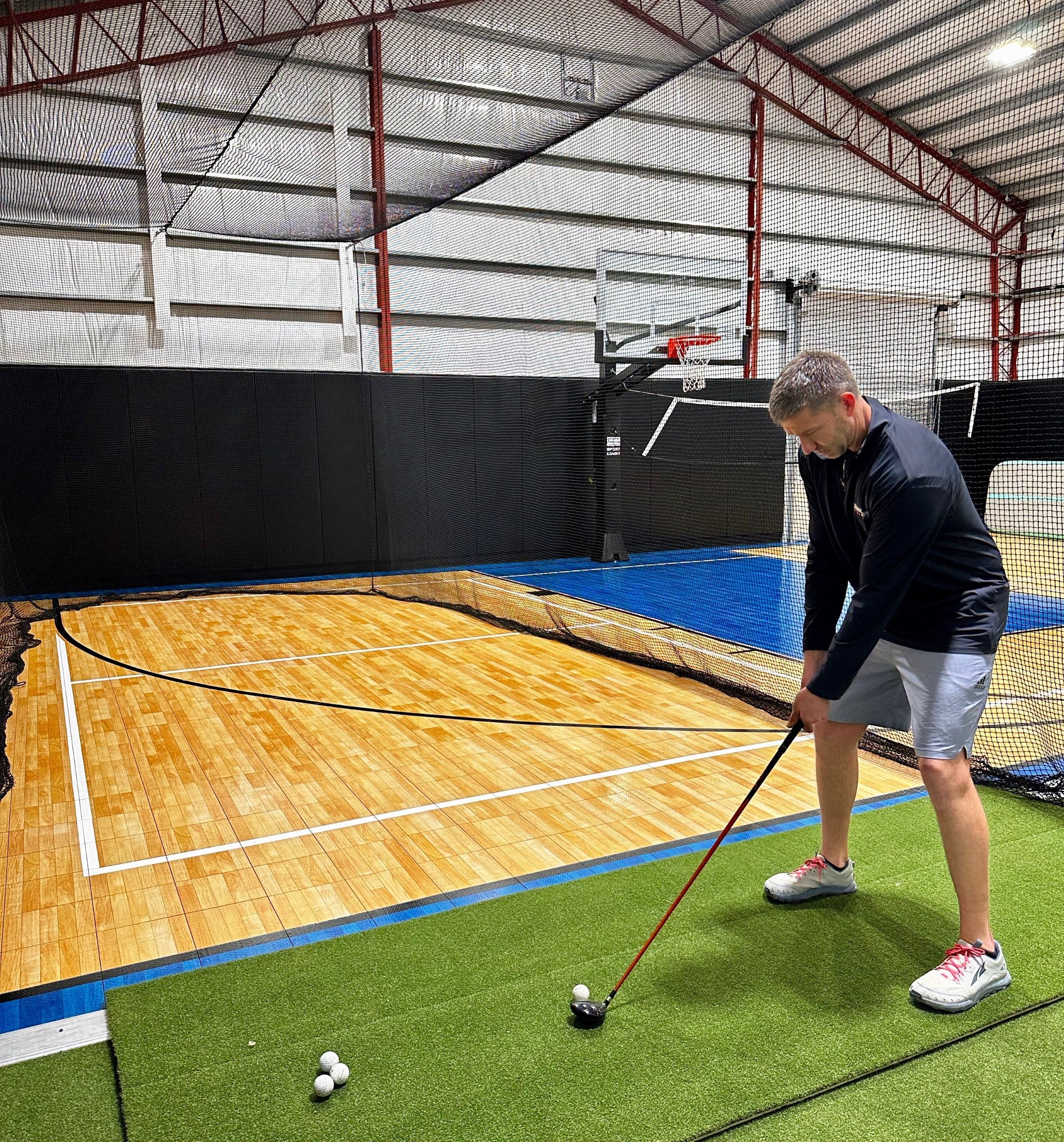
Golf
Add hitting mats and ball containment netting for year round practice.
Incorportate in to you gym or create a dedicated golf space.
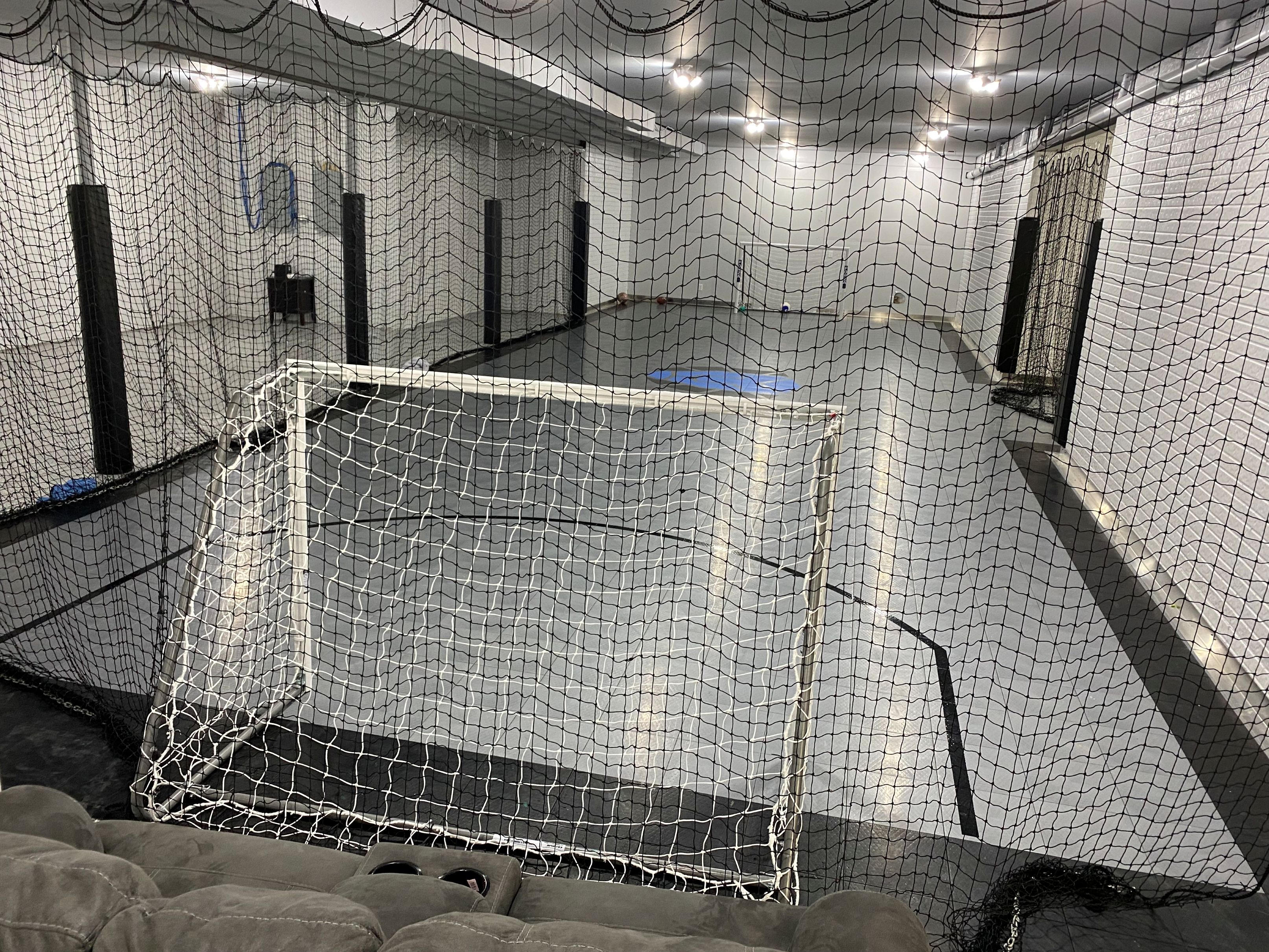
Soccer
Imagine working on footwork year round. Add soccer or fustal goals, lines and arcs to your muti-sport gymnasium or create a soccer/futsal-specific space.
How We Work
Our Process
01
We'll start with a friendly chat.
Tell us about your ideas. The space you have to work with and share any plans or blueprints you might already have.
02
Visit the Site
We will either visit for a quick site assessment or check out your photos or review your existing plan together. We'll give your our recommendations based on your wants and needs and the variables as we understand them.
03
Layouts, Design and Budget
Once we have a agreed upon size, layout, placement and products, we'll create an estimate with some "good, better, best" options.
04
Get the Project Moving
Now here's where the action happens. After the contract is signed and deposit is made, we'll get your products on order and put you on our installation schedule. Constrution or demo happening in the meantime? We'll stay in contact with your other contractors to make sure everything comes out as planned.
05
Install and Get Ready to Play!
Once construction is complete and surface, equipment and lines are installed...it's time to play!
“Quality product! Took our vision and made it real. Also very good troubleshooters.”

Brian
Hudson, Ohio
Get Your Questions Answered
FAQ's
For an indoor home basketball court, you need space for the playing area, and if you can make it work, a little extra room for safety and movement; a half-court is popular, often around 30x50 feet, while smaller courts can fit in spaces like a converted 2-car garage (around 20x25 ft), but aim for a high ceiling, ideally 17-20+ feet, for comfortable play. Regulation full courts are much larger (94x50 ft), but residential setups usually shrink this down significantly.
Common Indoor Court Sizes:
- Small/Kids' Play: 20x25 feet (fits in a large garage space).
- Half-Court (Popular): 30x50 feet (provides good room on a regulation width) or 42x50 feet (high school size).
- Multi-Sport/Larger: 30x60 feet or more.
Key Considerations:
- Ceiling Height: Crucial for shooting; aim for at least 17 feet, with 20 feet or more being ideal for a more open feel, especially if using scissor trusses for height.
- Location: Often built under suspended garages or as additions, requiring space planning within your home's footprint.
- Buffer Zone: Not a necessity, but if you can, add extra space around the perimeter beyond the lines for safety, dribbling, and comfortable movement.
For your home gym (like a garage, basement, or dedicated indoor space), several types of basketball hoops work well, depending on your ceiling height, available space, wall/ceiling strength, and how seriously you plan to play.
Here are the main options:
1. Wall-Mounted Hoops (Most Popular for Home Gyms)
These attach directly to a sturdy wall (like garage studs or brick) and save floor space while providing great stability and rebound.
- Pros — No floor obstruction, excellent for limited spaces, pro-like feel with minimal vibration, many adjustable from 7.5–10 feet.
- Cons — Requires professional installation on a strong wall; fixed overhang (usually 2–4 feet).
- Best for — Garages or basements with open walls. Look for models with acrylic or polycarbonate backboards (durable indoors) and breakaway rims for dunking.
2. Ceiling-Mounted Hoops
These hang from ceiling joists or beams—ideal if walls are limited but you have high ceilings (at least 17 feet for safe play). Usually, this can only be done on new construction barns, pole buildings, or pre-manufactured steel buildings, that are engineered to bear the load of these heavy units.
- Pros — Maximizes floor space, can fold up for multi-use rooms, good for full-court feel in larger gyms.
- Cons — Complex installation (needs structural reinforcement), less common for homes, potential sway if not heavy-duty.
- Best for — High-ceiling garages or converted spaces.
3. Mobile Hoops (Indoor-Friendly Models)
Freestanding with a weighted base (fill with water/sand)—easy to move or store.
- Pros — No installation needed, adjustable height (often 7.5–10 feet), flexible positioning.
- Cons — Takes floor space, can tip if not heavy-duty, less stable rebound than mounted.
- Best for — Multi-purpose rooms or if you rent/don't want permanent fixtures. Choose indoor-rated ones to avoid rus
Quick Tips
- Height → Regulation is 10 feet, but adjustable down to 7.5–8 feet is ideal for families/kids.
- Backboard → Acrylic or tempered glass for best rebound (polycarbonate is budget-friendly and shatterproof).
- Safety → Get a heavy duty flex rim if you'll dunk. Ensure at least 2–4 feet overhang for safe play under the basket. For a jump shooting only application, a 1' overhang is acceptable.
- Installation → For wall/ceiling mounts, consult with the FTW team or structural engineer to check structural support.
As a flooring professional with years of experience installing home gyms, I'll give you straightforward advice on the best options. The ideal flooring depends on your workouts—whether it's basketball-focused, multi-sport, or pickleball heavy, or a mix—and factors like budget, space, and maintenance.
I'm particularly fond of **Sport Court-style modular suspended flooring** (like the Response systems) because it delivers outstanding performance for athletic spaces, but we also install premium hardwood, cushioned vinyl synthetics, and rubber surfaces to fit every need.
1. Modular Suspended Sports Flooring (My Top Recommendation – e.g., Sport Court)
This is interlocking polypropylene tiles with a raised/suspended design that provides built-in shock absorption and "lateral forgiveness" to reduce stress on joints during quick cuts and jumps.
Pros:
- Excellent ball bounce and traction similar to pro hardwood
- Superior safety (up to 50% fewer injuries in some studies)
- Low maintenance (no refinishing ever)
- Moisture-resistant
- Customizable colors/logos
- Multi-sport ready (basketball, pickleball, volleyball, etc.)
Cons:
- Realistic, "wood-look" options have a higher upfront cost, though often comparable to or less than full hardwood over time.
Best for: Dedicated basketball or multi-sport home gyms where performance matters most. It's what I recommend first for serious players—feels like a real court but with better forgiveness and durability. Pickleball works on a recreational level with the proper Pickleball.
2. Hardwood (Maple Sports Flooring)
The classic choice—beautiful northern maple with a sprung subfloor for cushioning.
Pros:
- Unmatched authentic feel and ball response
- Timeless aesthetics
- Great for pure basketball
Cons:
- Requires ongoing maintenance (sanding/refinishing every 10-15 years)
- Sensitive to humidity/moisture
- Higher long-term costs
Best for: Clients wanting that pro gym look and feel, and who are committed to maintenance. I install a lot of these and they're stunning, but not always the most practical for busy families.
3. Cushioned Vinyl or Synthetic Sports Flooring
Rolled or plank vinyl designed specifically for sports (often with foam backing).
Pros:
- Good shock absorption and uniform play
- Lower cost than hardwood
- Easy to clean
- Can mimic wood looks
- Multi-purpose friendly
Cons:
- Less premium ball bounce than modular or hardwood
- Can wear faster under heavy use
Best for: Budget-conscious multi-sport setups or gyms that double as living spaces.
If your home gym is primarily for **basketball** or fast-paced sports, I'd lean heavily toward modular Sport Court flooring—it's safer, lower-maintenance, and performs incredibly well long-term. For a classic vibe, hardwood is hard to beat. Tell us more about your space (size, ceiling height, main activities, budget range), and we can give a more tailored recommendation! We'd be happy to provide a free consultation and quote.
Resources

How to replace a damage Sport Court tile
Running an indoor facility means you’ve probably seen it all: scuffed walls, broken nets, mystery smells… and of course, damaged floors. Whether it’s from cleats, collisions, or that one kid who thinks every game is full-contact—your surface takes a beating. If your court uses Sport Court® indoor tiles? Congratulations, your life just got way easier.
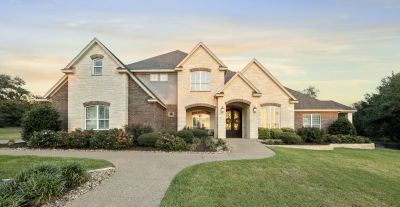
Does Adding a Backyard Court Add Value to My Home
The Hidden ROI of Backyard Courts: What Builders and Homeowners Need to Know
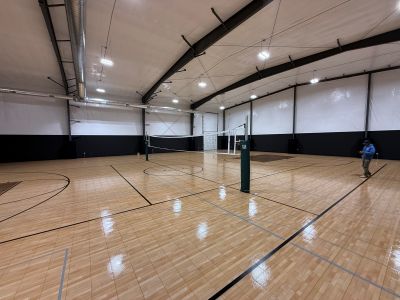
Indoor Sport Court Flooing Costs
We're all about being upfront with our pricing because we want you to feel totally confident when planning your athletic flooring project.Our biggest priority is delivering top-quality products and friendly, reliable customer service—with no hidden surprises along the way.This page is here to walk you through every cost you'll want to consider, so you can make the decision that feels just right for you.
Why Wait?
Start planning your dream court today