4 Fixes for Failing Asphalt Courts—And Which One Actually Pays Off
January 9, 2026

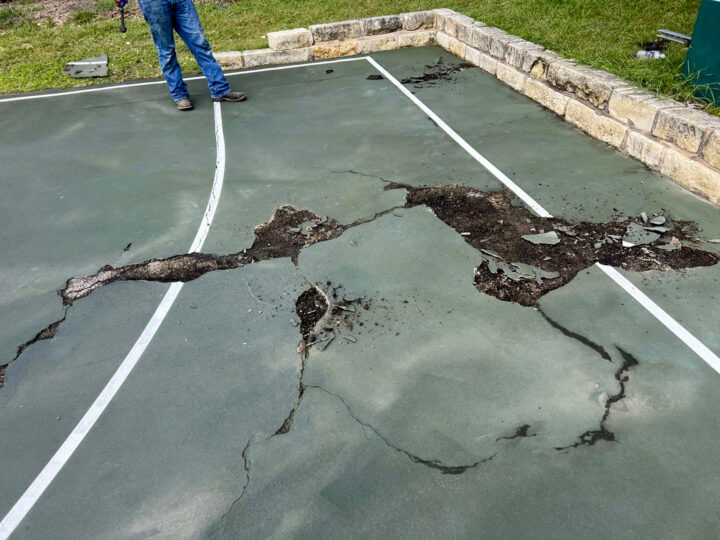
Let’s say you’ve inherited a basketball court (or tennis court… or something that used to be a court before it turned into a cracked, weedy liability). Maybe it’s at an apartment complex, a private school, or a rec center. And now it’s your problem.
Cracks. Standing water. Sad little paint lines holding on for dear life.
The question: Can you fix it without blowing the budget—or will you just be band-aiding the inevitable?
We get this question weekly. So here’s a no-nonsense guide to your four main options—what they cost, how long they last, and what’s actually involved in doing them right.
– Here’s How It Breaks Down for a Single 60 x 120 Tennis Court:
Option
Cost Estimate
Longevity
Maintenance
Warranty
Acrylic Resurface
~$20,000
1–2 years
Frequent touch-ups
No Warranty
Modular Tile Overlay
$70,000 – $100,000
15–20 years
Relevel every 3–5 yrs
15-year manufacturer
Post-Tension Cap
$100,000- $200,000
10-30 years
Resurface every 5-10 years
1 Year Structural warranty
Full Demo + Rebuild
$150,000 – $250,000
30+ years
Resurface every 5-10 years
15 Year Engineered
Option 1: Acrylic Resurfacing
Estimated Cost: ~$3 – $5 per sq ft
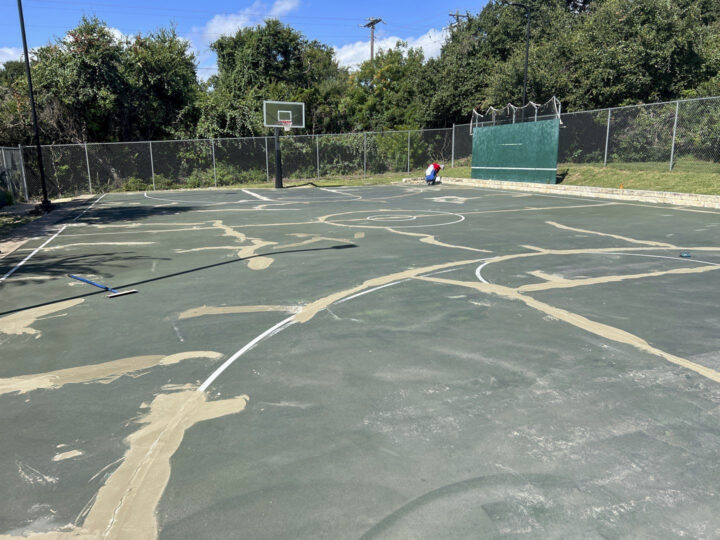
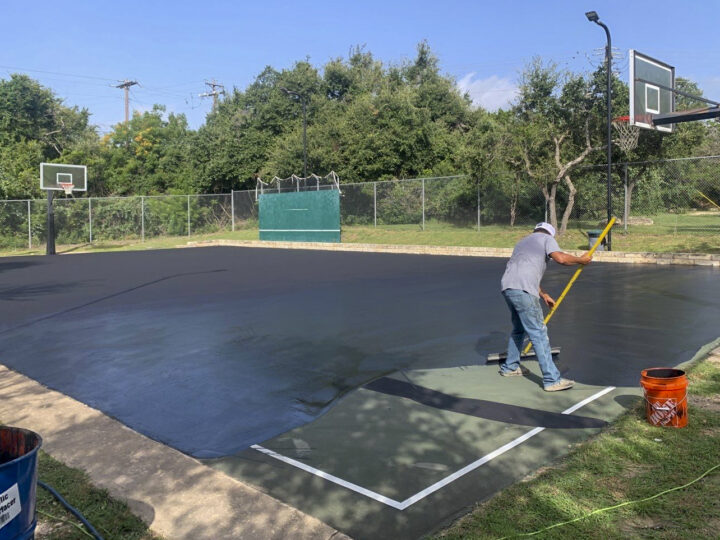
Scope: Crack repair + repaint surface
What’s involved:
- Power washing and prepping the surface
- Crack repair with patching compound
- Application of multiple layers of acrylic paint
- Re-striping game lines
Expect the work to take 3–5 days, weather permitting. Dry conditions and mild temperatures are essential. Most of the time is spent waiting for things to cure.
Pros
- Lowest upfront cost
- Quick aesthetic improvement
Cons
- Cracks reappear fast (minor within a month, major within a year)
- No material warranty
- Not a structural fix
Important Note:
We don’t offer this service. Why? Because even when done perfectly, it won’t hold up—and we’re not in the business of selling short-term solutions.
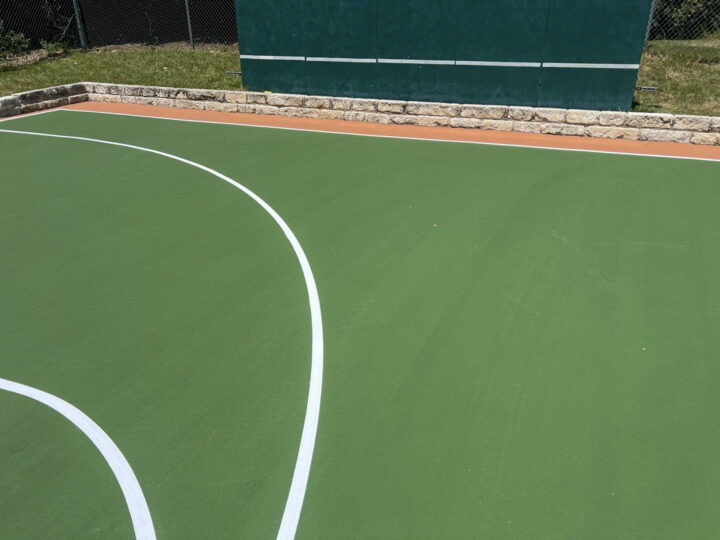
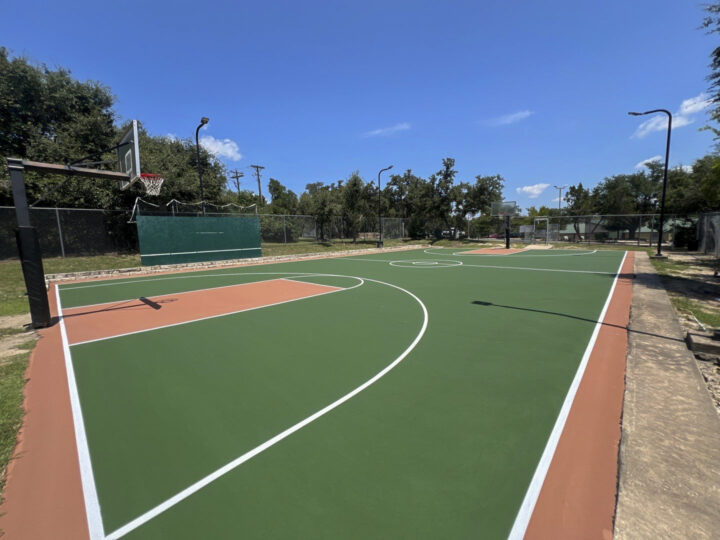
Option 2: Modular Tile Surface
Estimated Cost: $10–$15/sq ft (total depending on site prep)
Scope: Repair base + overlay with modular tile (tennis/pickleball)
What’s involved:
- Repairing or stabilizing the existing asphalt base
- Installing modular tile system over the top
- Finishing with sport-specific game lines
Timeline: 1–2 weeks depending on site prep and drainage. Surface is playable immediately after installation.
Pros
- Covers cracks completely
- Excellent playability and drainage
- Backed by a 15-year tile warranty
- No Permitting necessary
Cons
- Requires asphalt base maintenance every 3–5 years (unsnap, relevel, cleaning, reinstall)
- Upfront site prep is key for long-term success
- Higher upfront cost than acrylic paint
Best for:
Schools & non- profit facilities, Apartments, HOA parks, or older courts where demo isn’t in budget and longevity and safety are a priority.

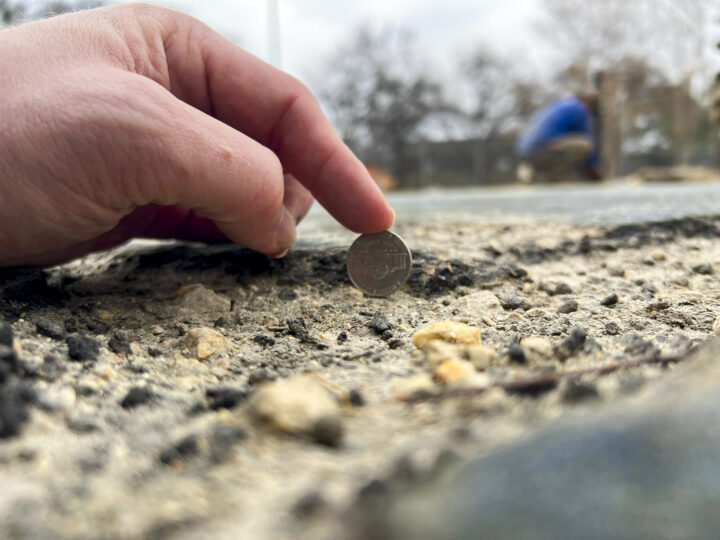
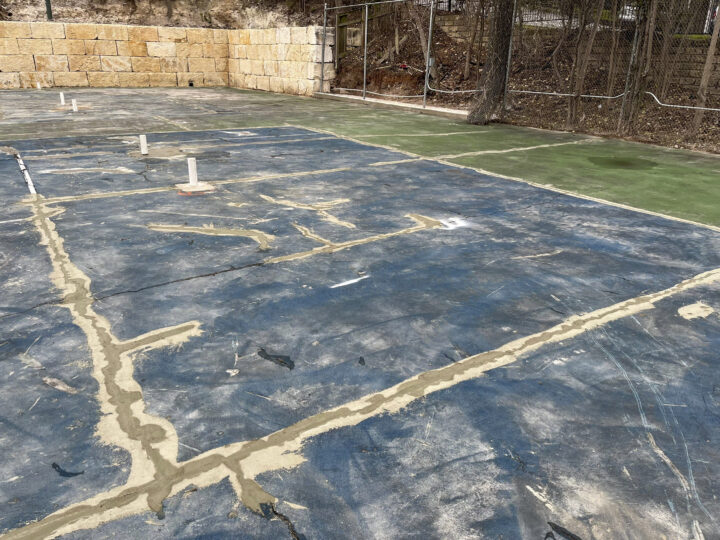
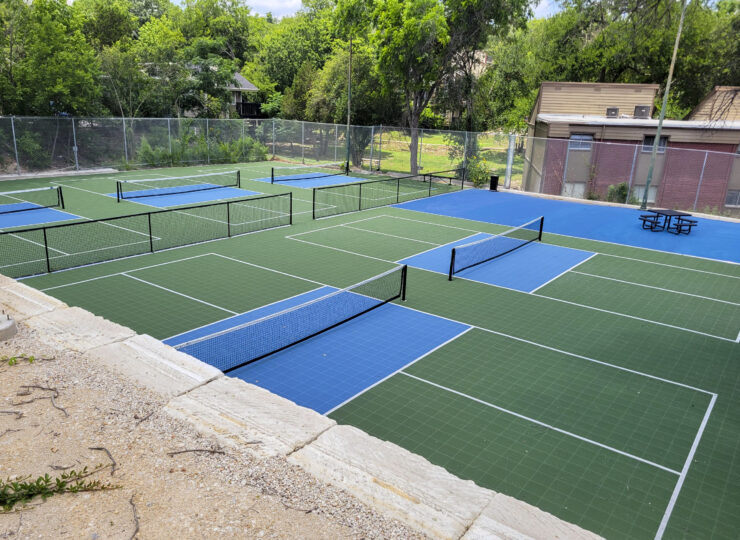
Customer who chose modular tile over demo—saved nearly 40% in cost and reactivated unused space in 90% less time.
Option 3: Post-Tension Concrete Cap
Estimated Cost: $15–$25/sq ft
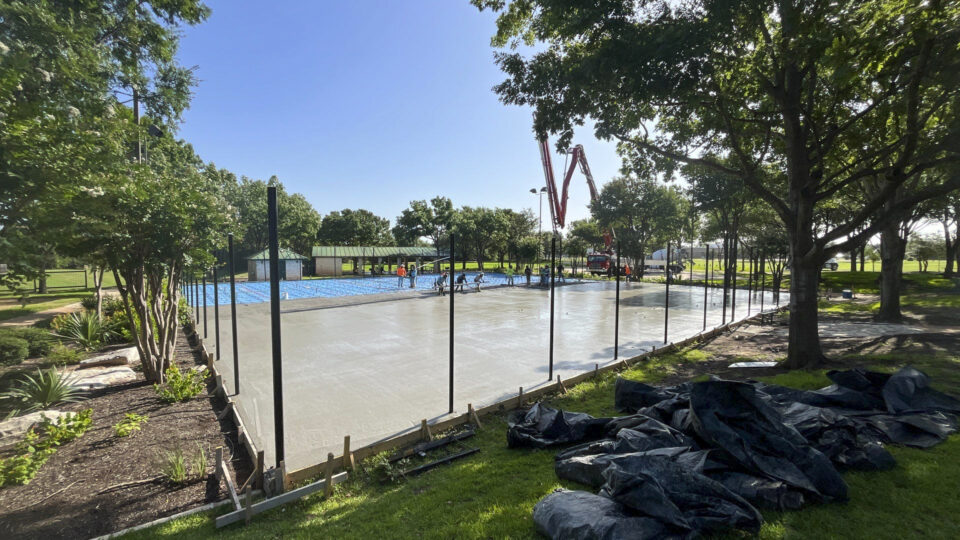
Scope: Place sand cushion + pour 5″ post-tension concrete slab on top
What’s involved:
- Site survey and elevation checks
- Installing a 2–4” sand base over existing asphalt
- Pouring a 5” post-tension concrete cap
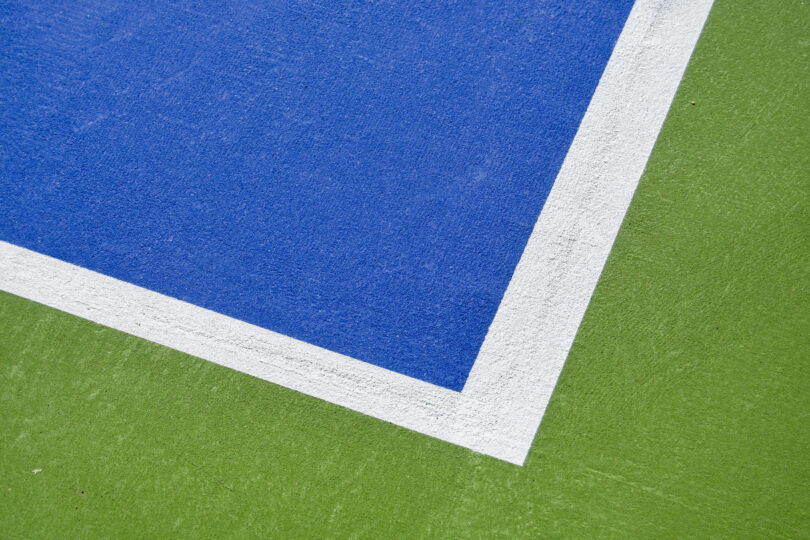
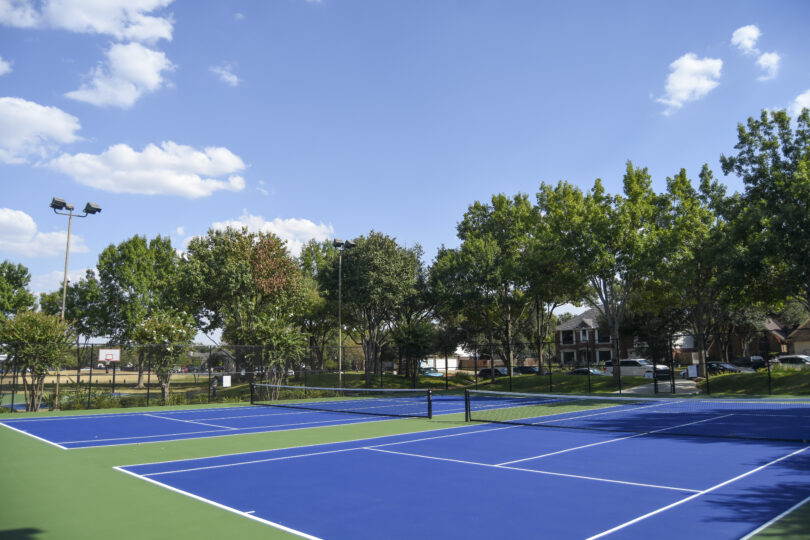
- Finishing with acrylic sport surfacing and lines
This option takes 2 – 3 months depending on prep, weather, and curing time. Requires geotechnical review if existing asphalt is in poor shape.
Pros
- Medium to Long-term structural fix without full demo
- Reduces future cracking (via post-tension cables)
- Still more affordable than full rebuild
Cons
- Quality still depends on the stability of what’s underneath
- Requires specialized labor and engineering
- Heavy construction equipment access and long facility downtime
- May require city/ county permitting
Best for:
Facilities that need long-term durability without tearing everything out.
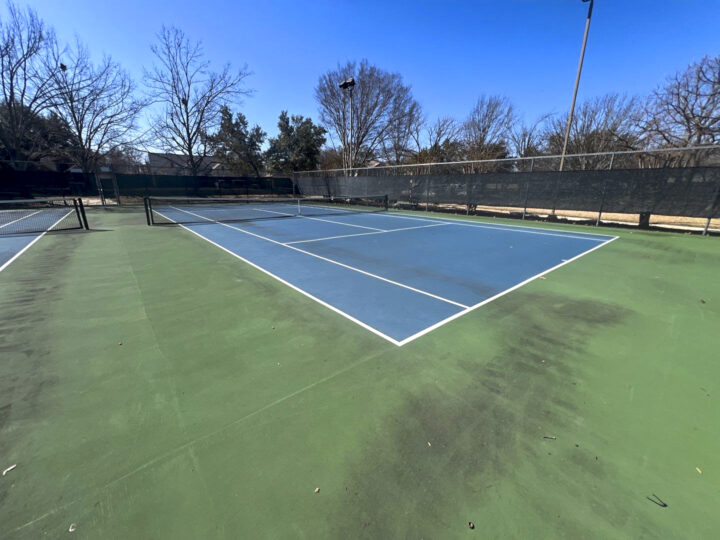
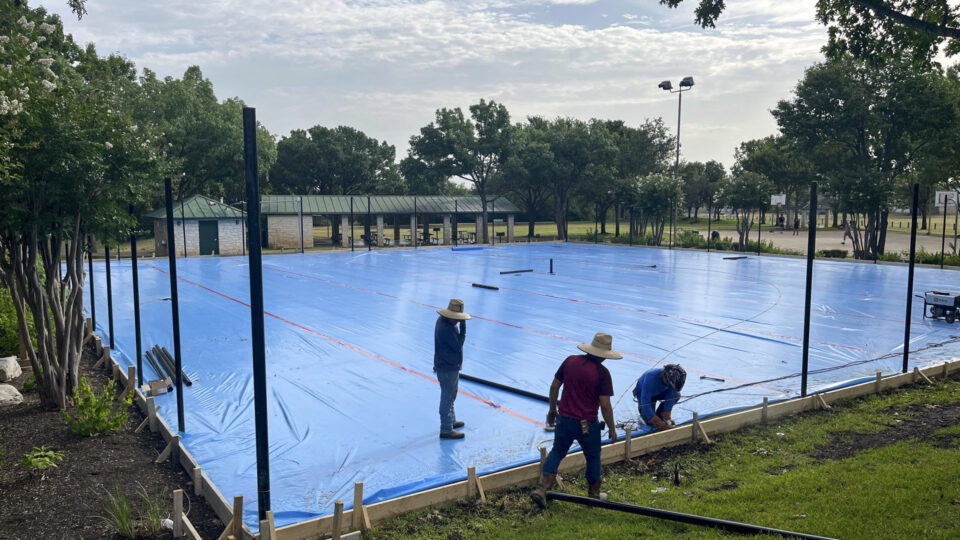
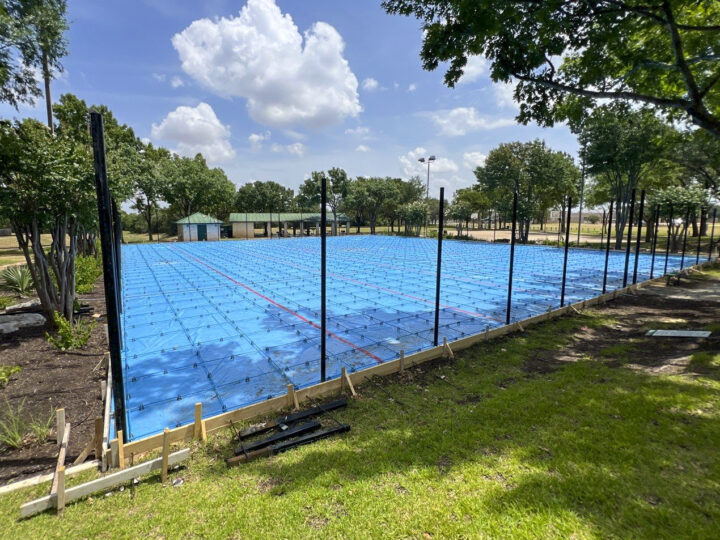
Option 4: Full Demo + New Post-Tension Build
Estimated Cost: $20–$30/sq ft
Scope: Demolish current slab, complete new engineered build from subgrade up
What’s involved:
- Full demo and haul-off of old asphalt
- Soil testing + geotechnical surveying
- Grading and potential soil remediation (to reduce long-term movement)
- Pouring new 5” post-tension concrete
- Application of acrylic sports surface and game lines
This is a 3 – 6 month process, depending on soil remediation and permitting. Site access, weather, and city/HOA approvals can impact timeline.
Pros
- Industry gold standard for longevity
- Fully engineered from the ground up
Cons
- Requires largest upfront investment
- Must complete engineering before final price can be confirmed
- Longest timeline
Best for:
Private clubs, new developments, or municipalities investing for the long haul.
Bonus Considerations That Affect Cost & Timeline
Even if the court is your focus, these line items often pop up during planning:
- Fencing upgrades – Are existing posts reusable? Are heights still up to code? Do you want new fabric on the existing frame?
- Lighting – Do you need pole-mounted LEDs or timers?
- Access control – Not something we offer, but clients often ask about smart locks or keypads
- Drainage issues – Especially if your existing court floods easily or sits near trees
- Civil Engineering/ General Contracting- If choosing option 4 it is likely a General Contractor will need to be involved
What Should You Do Next?
If you’re responsible for a community court, we know you’re balancing:
- Cost vs. durability
- Tenant satisfaction vs. board approval
- Short-term patches vs. long-term ROI
Let’s make this easier.
Book a Site Visit with a Court Advisor
We’ll walk the property, review your surface conditions, and give you straight answers about what makes sense—no pressure.
Schedule a visit or call us directly at 440-578-0079
You don’t need to become a court construction expert. You just need a trusted one in your corner.
Other Resorces
Does Adding a Backyard Court Add Value to My Home
The Hidden ROI of Backyard Courts: What Builders and Homeowners Need to Know

How to replace a damage Sport Court tile
Running an indoor facility means you’ve probably seen it all: scuffed walls, broken nets, mystery smells… and of course, damaged floors. Whether it’s from cleats, collisions, or that one kid who thinks every game is full-contact—your surface takes a beating. If your court uses Sport Court® indoor tiles? Congratulations, your life just got way easier.
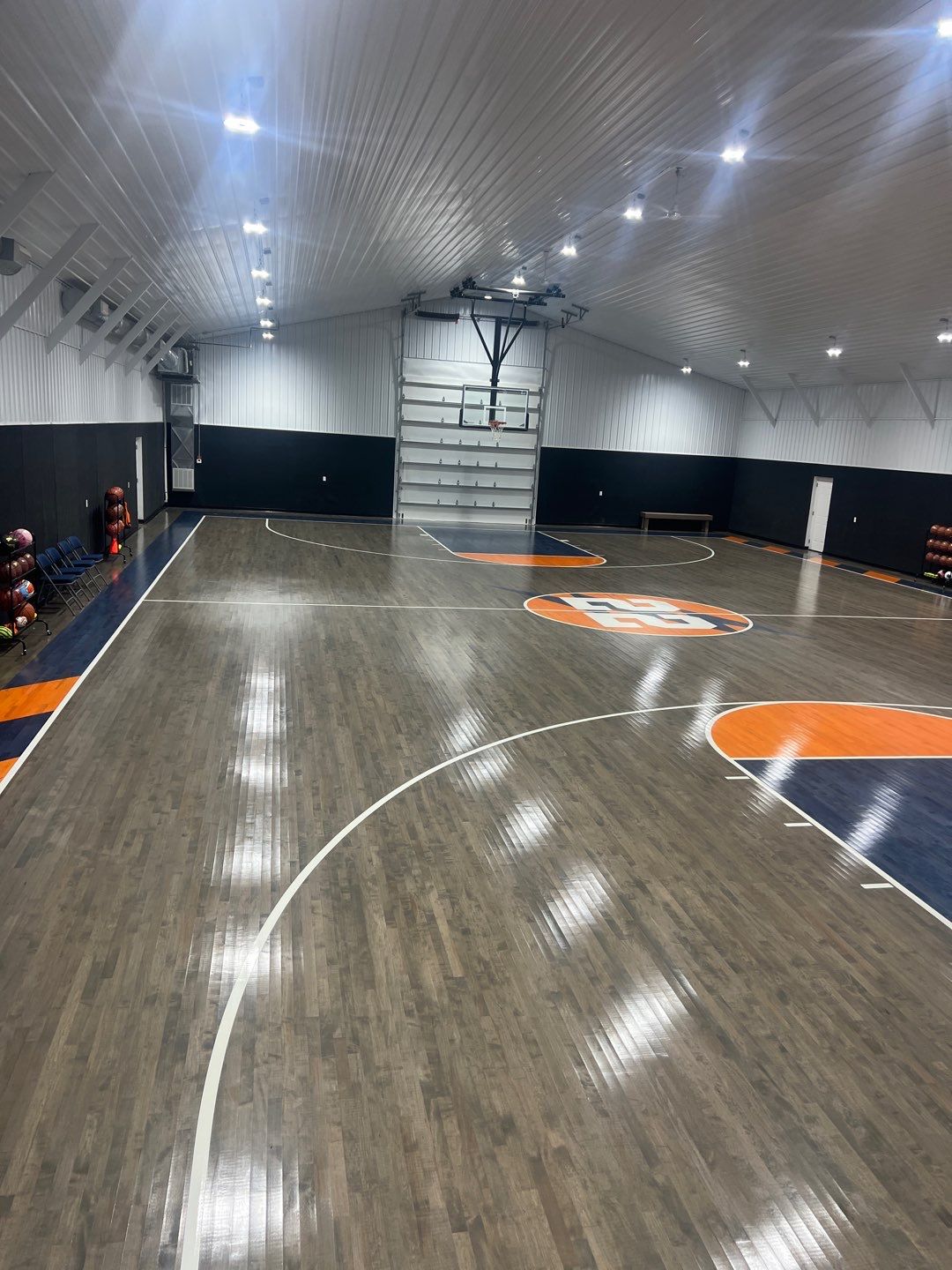
Choosing the Perfect Lighting for your Gymnasium
Choosing and Pricing lighting choices for gymnasiums, big and small
Why Wait?
Build your dream court today